
Artemis Weekly Digital Finance Fundamentals 2026.4.03
This week we cover the $285M Drift exploit, Coinbase's OCC trust charter, Hyperliquid's token unlock, and the CLARITY Act stablecoin yield deal.

Welcome back to Artemis’ Weekly Digital Finance Fundamentals!
Market Overview: The Weekly Recap
Oil and geopolitics dominated this holiday-shortened week (markets closed Friday for Good Friday). WTI crude surged above $112/bbl after Trump’s Wednesday address failed to outline an endgame for the Iran conflict, though equities showed resilience. The S&P 500 eked out a small weekly gain (+0.3%, closing at 6,583), its first since the war began, while the Nasdaq snapped a five-week losing streak despite remaining in correction territory (>10% below its record high). Gold pulled back ~2.8% to ~$4,676/oz on de-escalation signals, continuing its underperformance as a safe haven during this conflict.
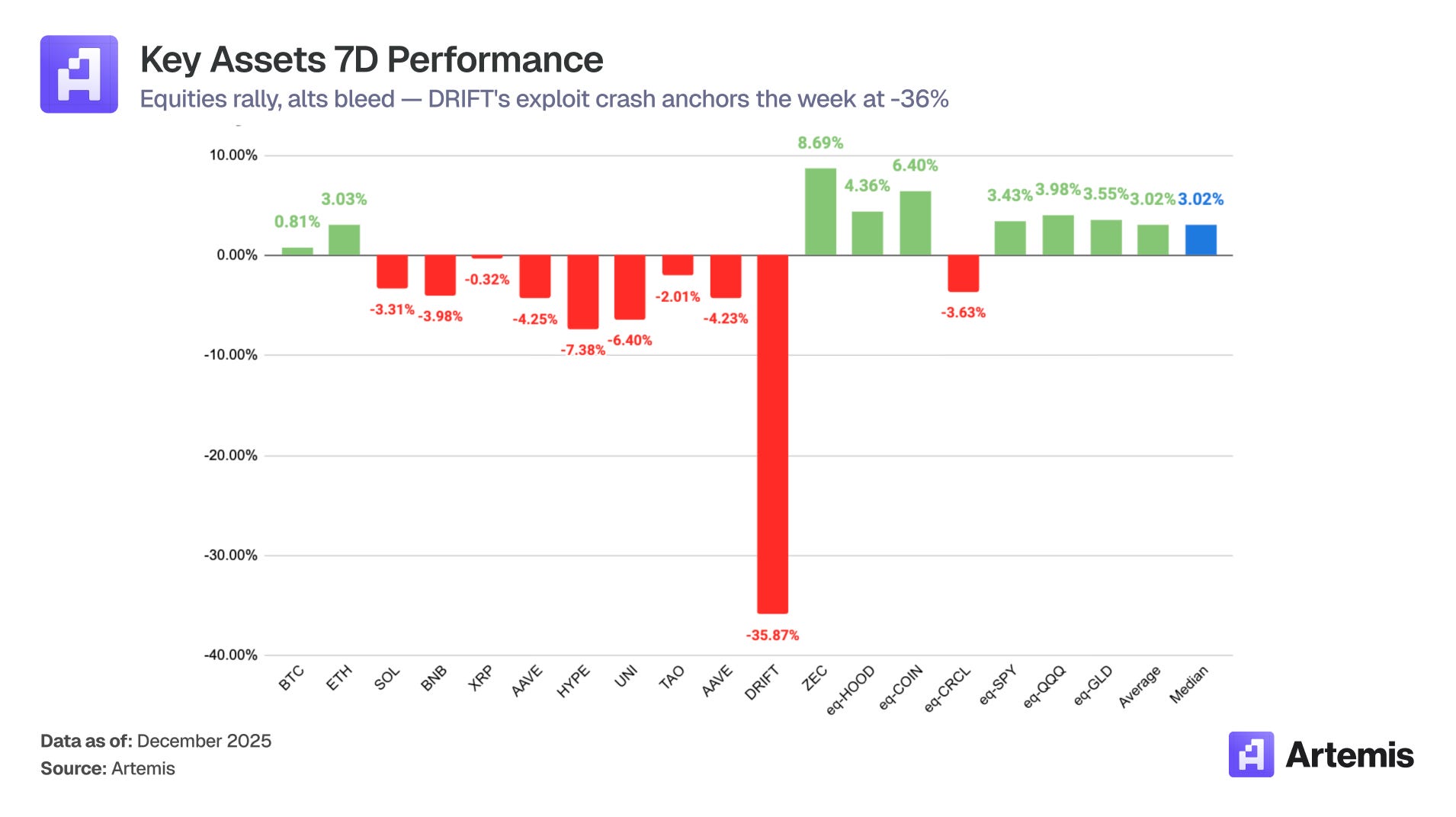
Crypto was weaker. BTC fell ~4% to ~$66,900, ETH dropped ~5% to ~$2,057, and SOL slid ~8% to ~$79 (Solana took an extra hit from the $285M Drift exploit on April 1). HYPE held up relatively well given the upcoming unlock overhang, and XRP caught a bid on continued CLARITY Act optimism.
Today We Highlight:
Drift Protocol’s $285M Exploit — Solana’s largest-ever DeFi hack was a combination of a governance failure, social engineering, and a Solana feature called “durable nonces” weaponized into a week-long setup.
Coinbase Wins Conditional OCC Trust Charter — A federally regulated crypto custodian is no longer hypothetical.
HYPE’s First Major Token Unlock (April 6) — 9.92M HYPE (~2.7% of circulating supply) hitting the market.
CLARITY Act Stablecoin Yield: “99% Resolved” — The compromise bans passive yield, permits activity-based rewards.
Artemis Analyst Sector Deep-Dives: Agentic Payments, Lending, Trading, and Neobanks
1. Drift Protocol’s $285M Exploit
On April 1, 2026 – in what Drift’s own team acknowledged was “not an April Fool’s joke” – an attacker drained ~$285 million from the Drift Protocol on Solana. This was the largest DeFi exploit YTD and one of the biggest in crypto history. The DRIFT token crashed immediately.
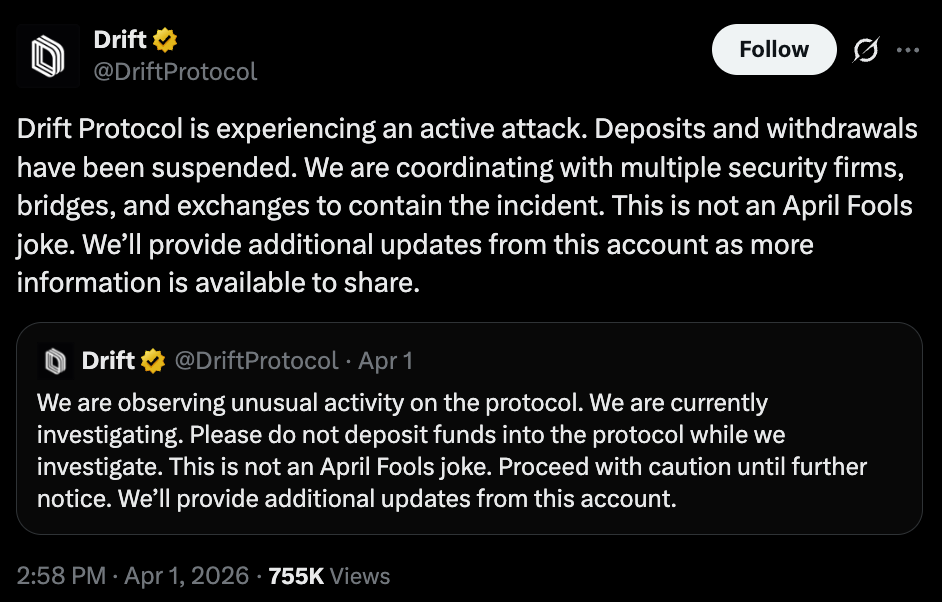
What makes this exploit distinct is the attack vector (this was not a smart contract vulnerability). The attacker exploited a combination of Solana’s durable nonce feature, weak multisig governance, and social engineering, a playbook much harder to audit away than a reentrancy bug.
How It Worked
Solana has a feature called durable nonces that lets transactions be pre-signed and executed later. The attacker exploited this to stage the entire heist over a week before draining funds in under 12 minutes.
On March 27, Drift migrated to a new 2-of-5 multisig with no timelock. The attacker tricked two signers into approving what appeared to be routine transactions, gaining admin control. From there, they listed a fake token (CarbonVote Token), wash-traded it to trick oracles into treating it as real collateral worth ~$785M, then executed 31 rapid withdrawals. They drained USDC, JLP, and other tokens across multiple vaults.
Why This Matters
The Drift exploit surfaces a class of risk that smart contract audits cannot catch: operational security and governance design failures. Drift’s security setup only required 2-of-5 keyholders to approve transactions, meaning the attacker only needed to compromise two people to gain instant, full control. And because durable nonces let signed transactions sit dormant for weeks before execution, the attack was effectively invisible to monitoring tools until it was too late.
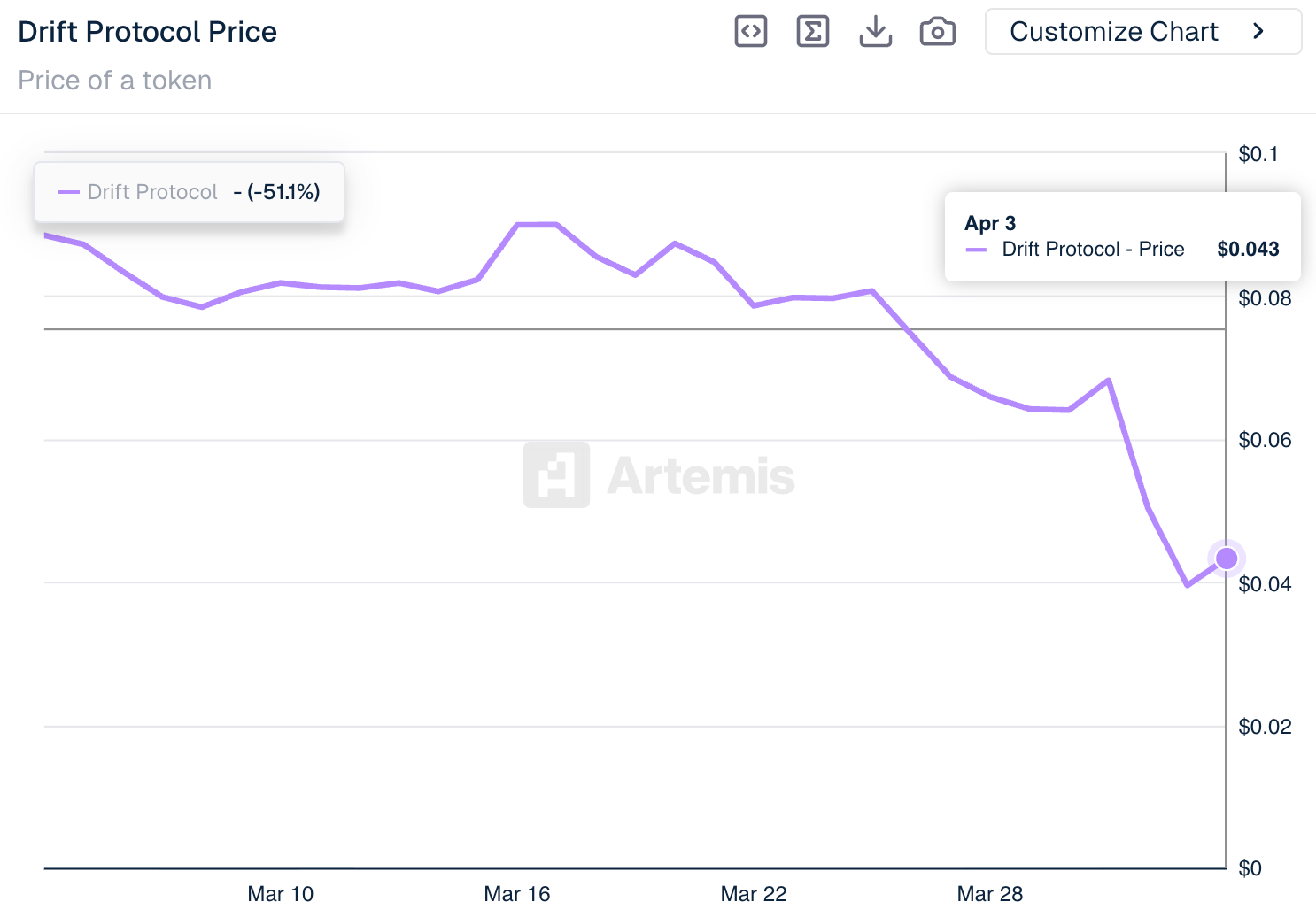
For Solana DeFi broadly, this is a confidence hit. TVL across Solana protocols is likely to face redemption pressure in the near term, and expect every major protocol to re-examine its multisig setup and governance upgrade process in the coming weeks.
2. Coinbase Wins Conditional OCC Trust Charter
On April 2, Coinbase received conditional approval from the Office of the Comptroller of the Currency (OCC) for a national trust company charter – the most significant regulatory milestone for a crypto-native company since the SEC/CFTC unified guidance in March.
The entity, Coinbase National Trust Company, will be headquartered in New York and operate as a federally regulated digital asset custodian once it meets the OCC’s preopening conditions. It’s important to clarify that Coinbase is not becoming a bank. It will not take retail deposits, will not engage in fractional reserve banking, and will not be FDIC-insured. This is a non-insured national trust company focused on custody, safekeeping, and fiduciary services.
What does Conditional Approval Mean?
“Conditional” means Coinbase still has to build out compliance, pass regulatory reviews, and satisfy AML requirements before final approval (a process that typically takes 12 to 18 months). However, the signal matters more than the timeline. A national trust charter replaces Coinbase’s current patchwork of 50+ state licenses with a single federal regulator (the OCC), and positions it as a qualified custodian under SEC rules. This designation is a requirement that institutional allocators need before they’ll park assets with you.
The Strategic Play
The trust charter is about Coinbase’s revenue diversification away from trading fees:
Institutional custody: A federally chartered trust company is a stronger counterparty for pension funds, endowments, and sovereign wealth funds considering digital asset allocations.
Stablecoin issuance: If finalized, the charter opens a potential path to issuing stablecoins and tokenized securities under federal supervision.
CLARITY Act positioning: A national trust charter is complementary to the CLARITY Act framework, alluding to the fact that Coinbase is building the institutional plumbing in anticipation of the regulatory structure.
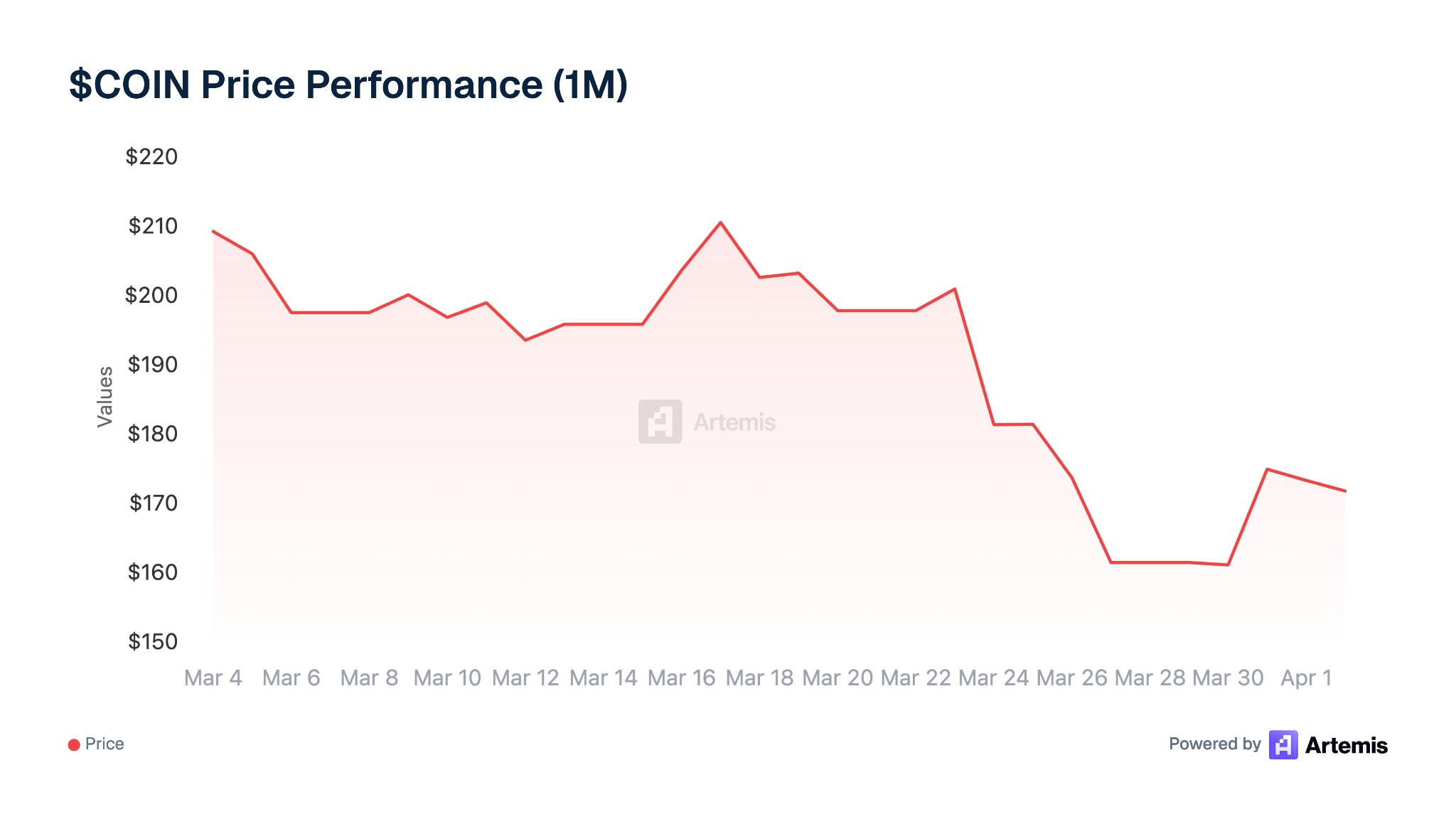
Coinbase is now one of eleven companies in various stages of the OCC trust charter process, a pipeline that barely existed six months ago. The race for a federal crypto banking license is accelerating.
3. HYPE Token Unlock (April 6): Headline Fear vs. Actual Supply Impact
On April 6, the next tranche of Hyperliquid’s core contributor vesting will become eligible for claim. The vesting schedule allows up to 9.92 million HYPE (~$357M at ~$36) but the Hyper Foundation has committed to distributing only ~330,000 HYPE (~$12M), consistent with its pattern of claiming just 1-18% of the theoretical max each month. The headline number overstates the actual supply impact by roughly 30x.
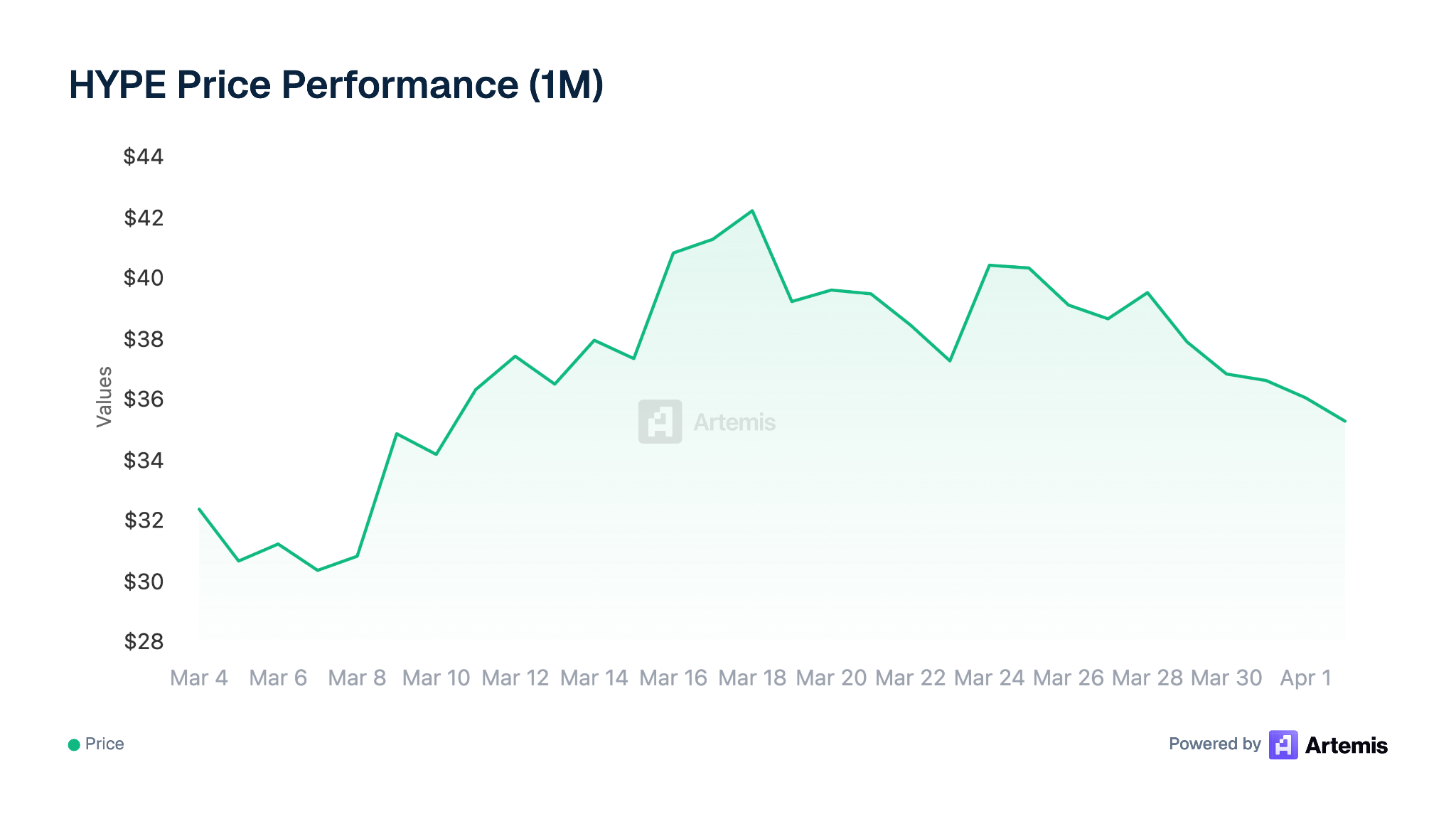
HYPE is down over 7% this week to ~$35. HIP-3 open interest has hit all-time highs, with commodities, equities, and indices now making up >80% of volume, led by the S&P 500 perpetual contract via trade[XYZ] and S&P Global.
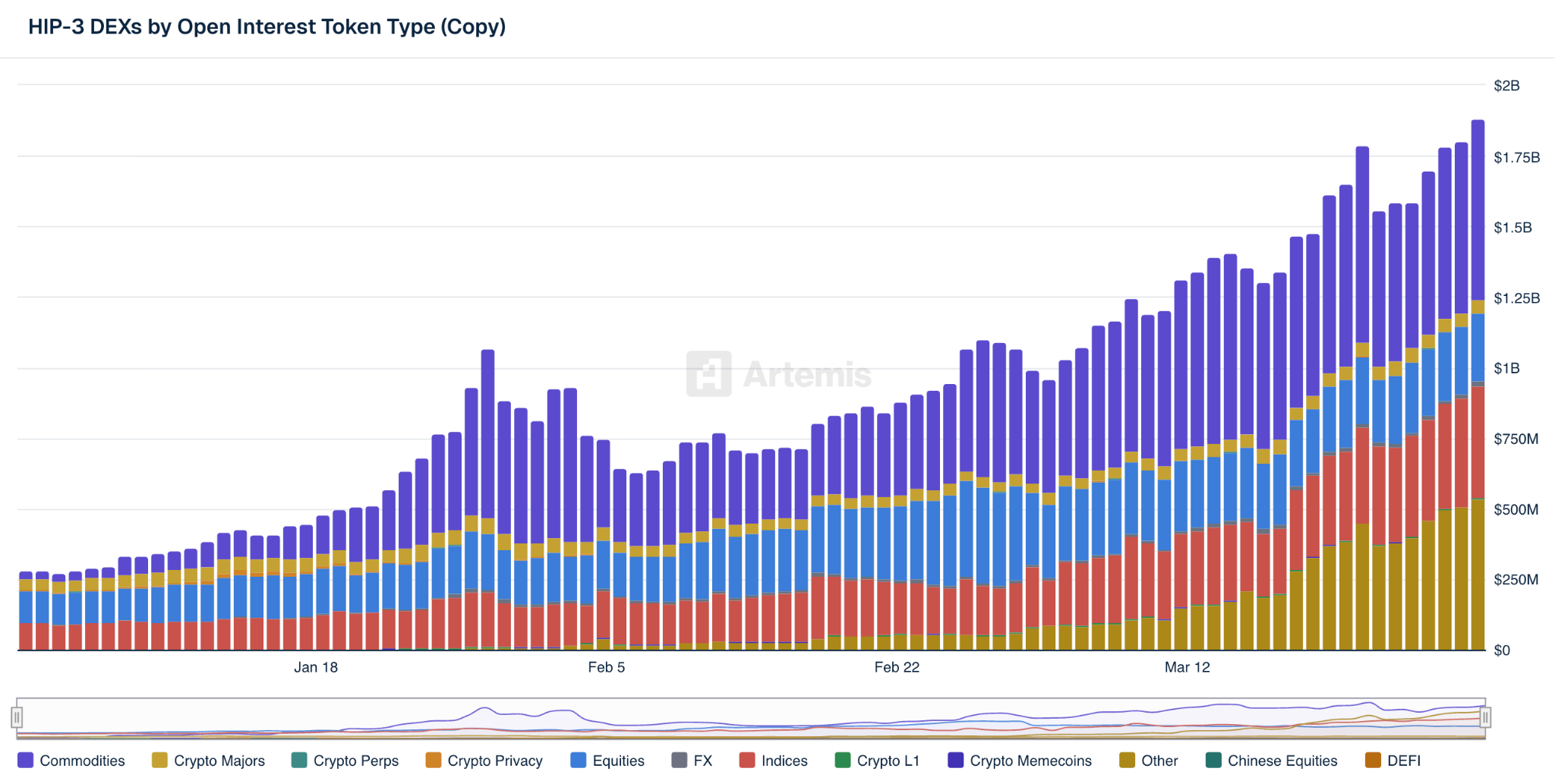
Three factors suggest the unlock won’t meaningfully move supply:
Protocol revenue runs at $676M–$843M annualized, with 97% flowing into HYPE buybacks and burns – dwarfing the ~$12M committed unlock.
Core contributors are incentivized to hold. Aggressively selling would crater the value of their remaining vesting allocation.
Five months of unlock data show the team consistently claims a small fraction of the eligible amount, giving the market a reliable baseline.
4. CLARITY Act Stablecoin Yield: “99% Resolved”
Senators Thom Tillis (R-NC) and Angela Alsobrooks (D-MD) confirmed an agreement in principle on stablecoin rewards, backed by the White House. Senator Lummis described it as “99% resolved.” The framework bans passive yield (i.e., earning returns simply for holding a stablecoin) but permits activity-based rewards tied to payments, transfers, and wallet usage.
Who Wins, Who Loses
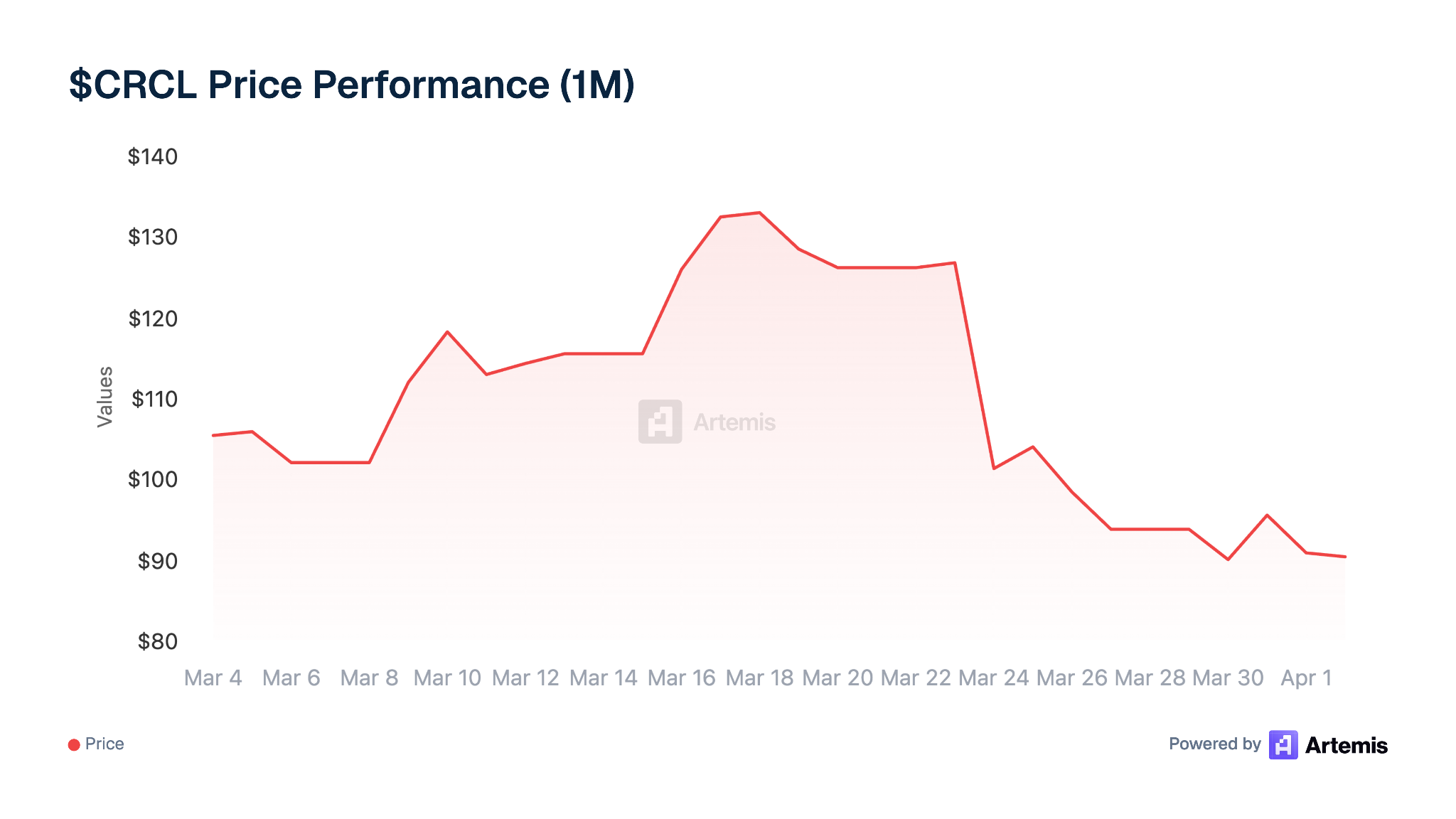
Circle ($CRCL): More nuanced than the initial 22% stock drop suggested. The bill bans retail passthrough of yield, not issuer-to-distributor payments. Circle pays Coinbase over $900M/year in revenue share – that relationship is untouched. The bull case for them is if Coinbase keeps collecting from Circle but can’t share it with users. This means the distributor margins on USDC would actually improve and Coinbase would further incentivize them to push USDC adoption. However, the bear case is that, without yield as a selling point, retail has less reason to hold USDC. ARK bought $16M of CRCL on the dip.
Tether/USDT: Largely unaffected – Tether doesn’t pass yield to holders. The framework arguably legitimizes its model.
DeFi protocols: The language targets “digital asset service providers,” leaving it unclear whether decentralized lending protocols like Aave or Morpho are in scope. Expect this to be litigated.
Charts of the Week
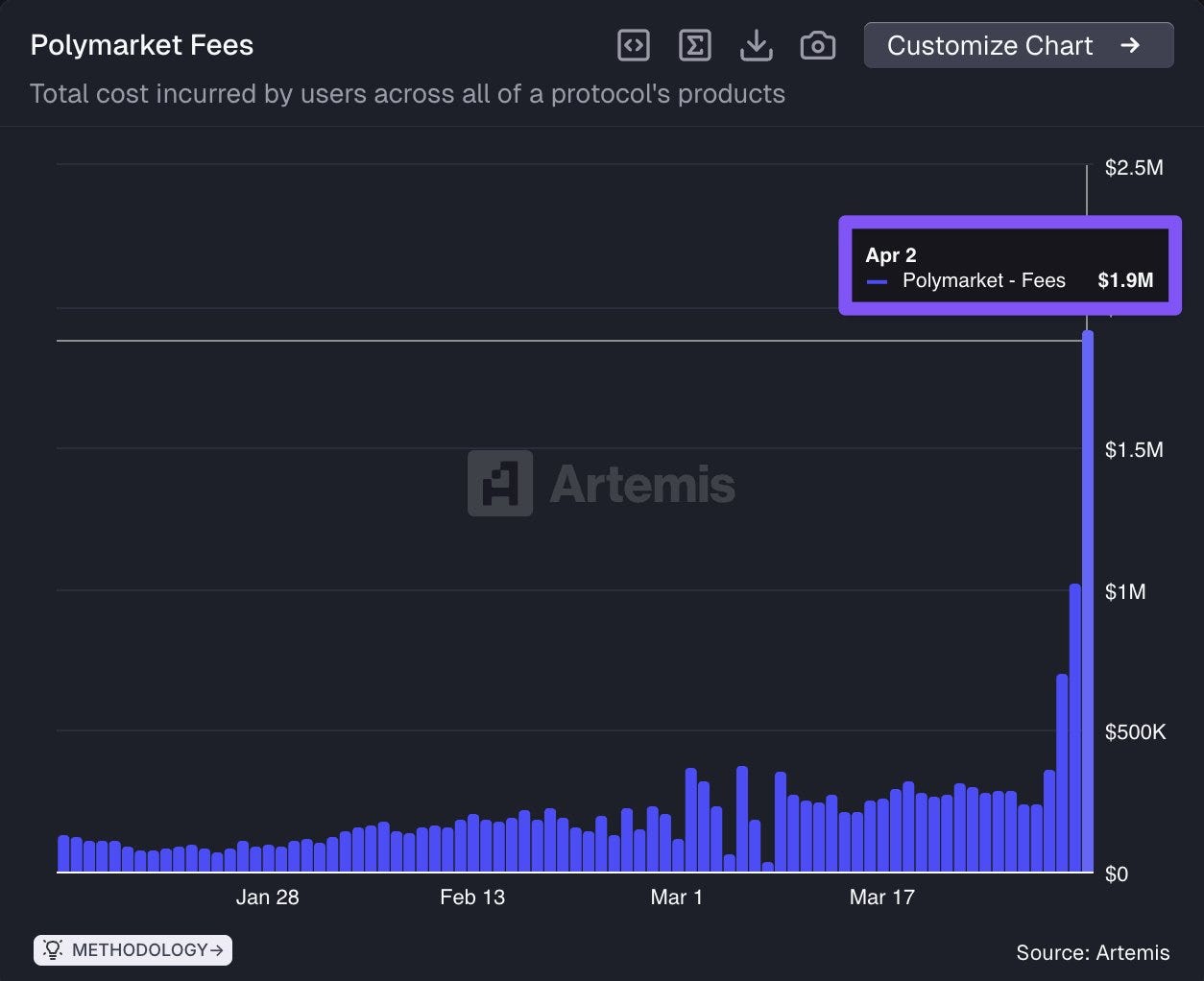
Polymarket Daily Fees Reach $1.9 Million
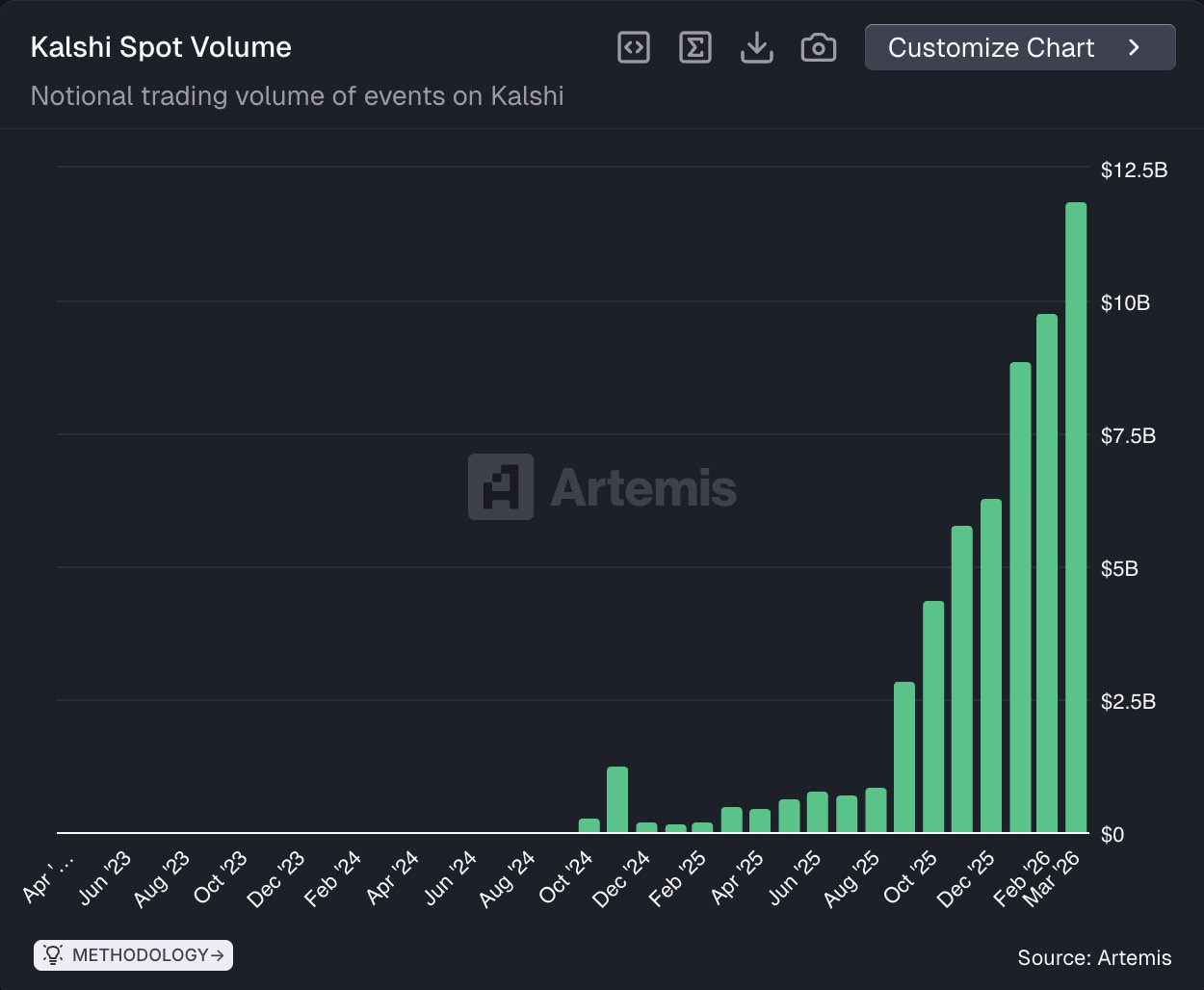
Kalshi Volume Extends Run With 8 Straight Monthly ATHs
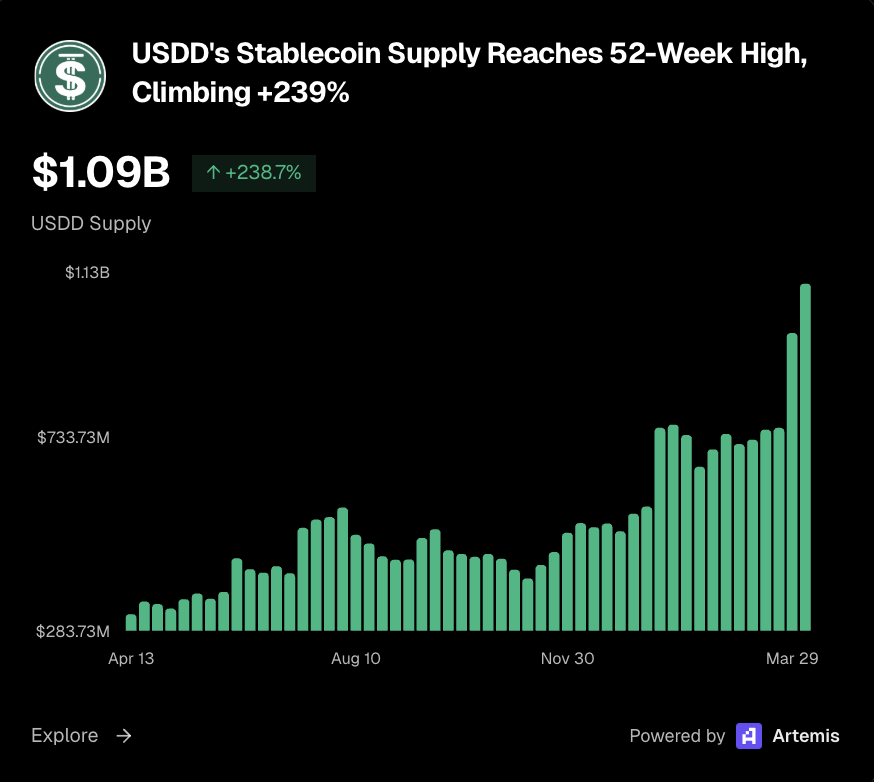
USDD Stablecoin Supply Reaches $1 BILLION
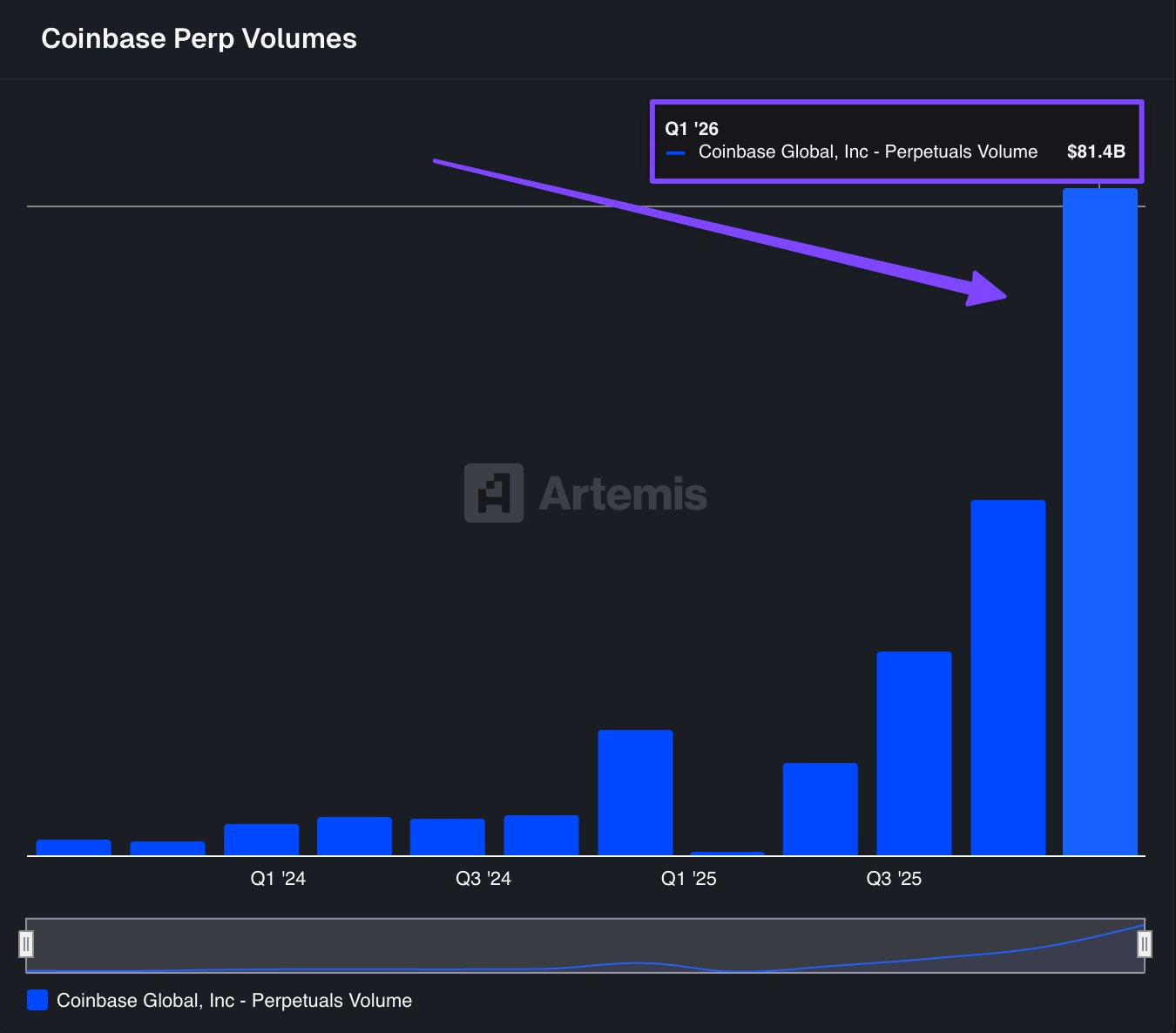
Coinbase Perp Volumes Surge, Reaching 81.4B in Q1
Other Notable News
Aave launches v4 on Ethereum after two years of development, expanding DeFi into real-world credit and improved lending usability
Ethereum’s Glamsterdam upgrade targets June 2026 — the most significant technical overhaul since the Merge, with gas limit increasing from 60M to 200M per block and throughput scaling to 10,000 TPS
RLUSD (Ripple’s stablecoin) surpasses $1B in market cap within its first year, as regulated stablecoin issuers gain share in the institutionalization era
Solana hits 10 billion cumulative transactions while Ethereum reaches 200 million — different scales reflecting different architectures and use cases
Oil spikes above $113/bbl WTI as Strait of Hormuz disruption fears intensify — the largest supply disruption in the history of the global oil market per the IEA
Thanks for reading! Stay ahead this week by using the Artemis Terminal or pulling live data with =ART() in Excel.
Disclaimer: The authors of this content, as well as affiliates of Artemis Analytics, may have financial interests in the protocols or tokens mentioned. This does not constitute investment advice or a recommendation to buy, sell, or hold any asset. The information provided is for educational purposes only and should not be relied upon for financial, legal, or tax decisions. Readers should assess their own circumstances before making any financial choices. Views expressed may change without notice, and Artemis Analytics is not liable for any losses resulting from the use of this content.